Service availability varies — ask the provider. · (623) 281-0768
Termites After Treatment in Avondale, AZ
Return Assessment

Checking for Termite Activity After Treatment in Avondale

Outdoor lights can draw flying termites close to a home during a swarm. A swarm does not by itself show renewed activity inside your home. Record where the wings appeared and have them assessed alongside other signs.

WING SHEDDING

Leave new termite evidence undisturbed, gather the treatment report, and record where and when you saw it. Photos can preserve the evidence's appearance if it changes before the assessment. A follow-up assessment can clarify whether activity has resumed.

FINE WOOD DEBRIS

Swarmers and the Wings They Shed

A change in a wooden sill can send you seeking a closer look at the cause.

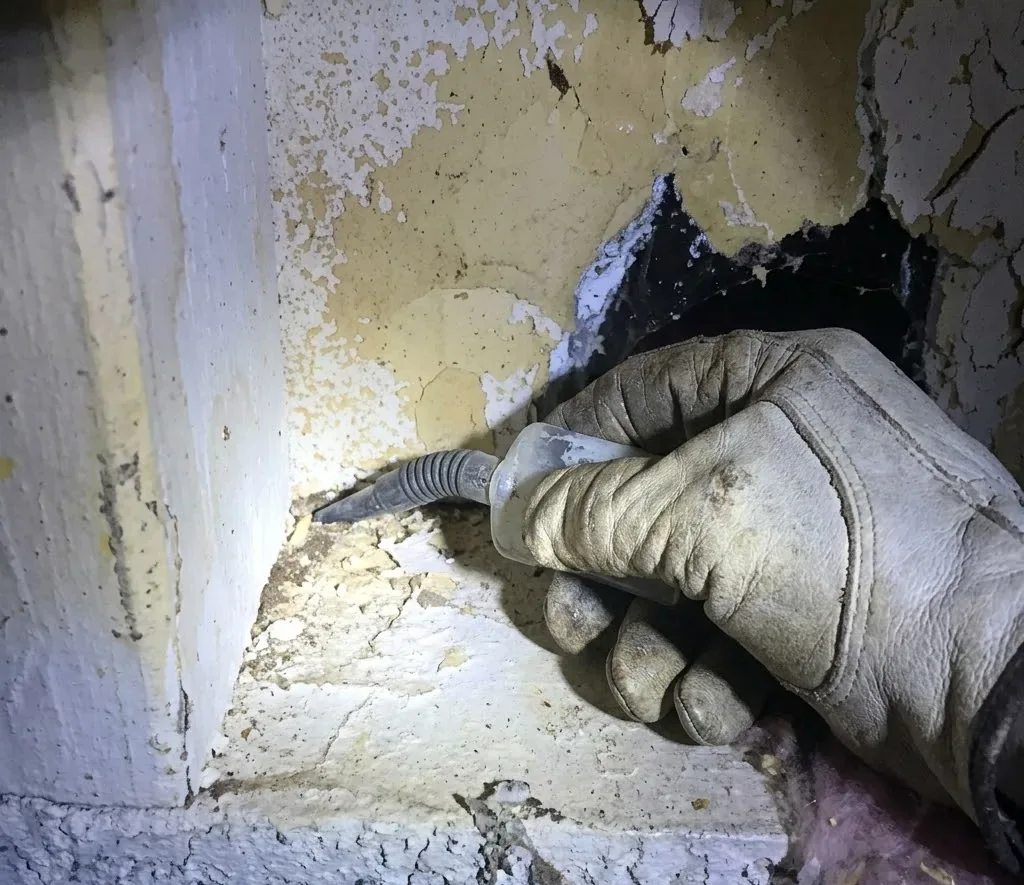
At a Staggs Park home, a gritty line crosses blockwork.

A fresh or rebuilt mud tube may show that termites have made a covered route across a foundation or other surface. A dry, unchanged tube could be old, so its appearance alone cannot settle whether activity continues. Keep the tube intact and tell the inspector exactly where it begins and ends. Its connection to accessible wood can help clarify the finding.

Near Rose Park, shed wings gather beneath a porch light.

Discarded wings can follow a termite swarm, but they do not identify an active feeding site by themselves. Note whether they appeared at a window, doorway, or another part of the property, and save a few if convenient. In Avondale, monsoon season can bring termite swarms. The inspector can compare the wings and location with other evidence before drawing a conclusion.

At Aleppo Park, paint blisters along an interior casing.

A soft, blistered, or hollow-sounding patch may reflect damage inside the wood, though other causes can change a surface too. Avoid probing or covering it. Record the room and the affected piece, then ask for an inspection. The professional can assess visible damage and decide whether adjacent, accessible areas need closer evaluation.

A shop door frame now sounds hollow when tapped.

Live insects deserve identification because ants and termites can be mistaken for one another at a glance. Termites have straight antennae and a broad waist, while ants have bent antennae and a pinched waist. Include where you found them and whether wings were present. A professional can compare their features with the treatment history and other signs at the property.

Fresh wood crumbles beside a window latch.

Termites or feeding inside a bait station indicate activity at that monitoring point, not necessarily inside the building. The station's service record helps show whether the change is new. Leave it accessible and in place, then tell the provider which station changed. A technician can review the monitoring history and check whether nearby areas also need assessment.

Hidden Gaps Near Wood and Foundations

Avondale properties differ in construction and past treatment, so a sign near Friendship Park says little about a particular home. The report and the affected area give an inspector better evidence than a landmark or neighborhood name.

Near the Agua Fria River or Avondale Civic Center Library, local place names do not establish termite activity. Monsoon season can bring swarms across the Phoenix area, but a property-level assessment still determines what a new sign means.

Termite service questions can arise at homes and small commercial properties in Avondale and across Maricopa. A city name alone does not show whether your address is served; give it to the pros we connect you with for a coverage check.

How Treatment Tools Differ

NEW CLUES
A dry tube can remain after activity stops; fresh construction or live insects call for closer assessment.
PAST WORK
A swarm can leave discarded wings, but their location alone does not identify an active feeding site.
SITE REVIEW
Surface changes can have other causes. An inspector compares the affected wood with nearby evidence.
ACCESS AREAS
Ants and termites can look alike. A clear image or specimen can help with identification.
NEXT VISIT
A change inside a bait station needs its monitoring history to explain what it means.
Site Conditions
Outdoor lights can draw flying termites close to a home during a swarm. A swarm does not by itself show renewed activity inside your home. Record where the wings appeared and have them assessed alongside other signs.
Access conditions
an estimated $75–$250

What A Swarm Near Glass May Mean

An old mud tube can remain after termite activity ends. Its continued presence may look like a return, but a remnant alone does not confirm live termites. The pro checks for fresh construction and related evidence before interpreting it. A pro checks whether the material has the structure of a termite tube and whether it connects to a likely travel route. They compare that evidence with nearby wood, live insects, and the earlier report. A loose deposit or surface mark may lack those connections, so location and supporting signs matter.

Protecting People and Pets During Application

The pro compares the new observations with the earlier report and treatment scope. Photograph the evidence before cleanup so its condition can be compared with the earlier report. They also distinguish termite evidence from look-alikes. The findings clarify whether the sign is isolated, consistent with renewed activity, or needs more evaluation.

After explaining the findings, the provider describes any recommended follow-up and why it fits the property. The plan may involve monitoring stations or another treatment approach, depending on the evidence and conditions found. The written scope should identify the work area and any monitoring included. Ask how the proposed steps relate to the earlier treatment.

Before agreeing, separate the treatment task from any follow-up commitment. A defined application can end when the scheduled work is done. Continued cover should state its purpose, timing, and conditions for ending. Ask the pros we connect you with to put those details in writing so you can weigh the repeat visits.

A SNAPSHOT OF SITE REVIEW AND LATER ACTIVITY CHECKS
Wood Condition Moisture and Access
One-area clue checked at discoveryDamage record
Termite signs reappear after serviceWood-soil separation
Signs reach beyond a single spotTreatment applied; ongoing checks discussed

Simple Checks Around Your Home

You can read the service report, list the places where signs appeared, and take clear pictures from a distance. Keep the dates with your notes. Leave tubes, bait stations, and suspected wood undisturbed. Do not apply store-bought pesticide over a treatment area; it can complicate assessment and must follow its label. Contact the provider for an inspection.

How Termites Can Affect Load-Bearing Wood

Sagging floors or doors that begin to stick can signal changes in the wood beneath them. A wall that looks sound does not settle what is inside. Have fresh evidence assessed before planning repairs, especially if a wood member looks changed or damaged. Keep people clear of any visibly unstable area and tell the inspector what you observed.

Which Property Details Shape Treatment Cost?

Use the inspection findings to shape the estimate. Ask the pros we connect you with to put the planned work and its cost in writing.The guide range gives a starting point for routine treatment. It may leave out access challenges, monitoring, reports, or wood repairs unless quoted. For a home in Avondale, share the address and a landmark such as Staggs Park or Rose Park. Ask the pros we connect you with about any visit charge. Confirm the full work scope with them in writing.For cost drivers, consult pricing guide; Termite Inspection covers how pros assess termite activity and choose suitable treatment or monitoring.
METHOD SELECTION

What Inspection Findings Can Tell You

Questions

Termite Service FAQs

What should I do if termites show up after treatment?

If you notice a new tube, wings, or wood change in Avondale, leave it undisturbed and contact the provider who treated the property. Save the service report and write down where and when you saw the sign. A single remnant may not mean activity has resumed. Ask for a follow-up assessment that compares current evidence with the earlier inspection and treatment scope. If records are unavailable, an independent local pro can assess the area.

How can a pro tell if termite activity has resumed?

A professional checks whether the material is a termite sign, then looks for supporting evidence nearby. A tube that has been rebuilt or live insects call for closer attention than a dry remnant alone. Discarded wings can come from a swarm, but do not show where termites are active. Share the location and timing with the inspector. They can compare those details with accessible wood and the earlier report.

Which records help with a termite follow-up inspection?

Look for the inspection report, treatment description, service agreement, and any notes from later visits. These records show which areas were checked or treated and whether monitoring or follow-up has stated terms. They also give the provider a reference point for new evidence. Read the scope before arranging additional work, and ask which parts of the property the proposed assessment will cover.

When should I get another opinion about new termite signs?

Ask for another assessment if the new sign remains unexplained, the report leaves important areas unclear, or similar evidence keeps appearing. You can contact the original provider first, since its records may help explain the earlier work. If you seek an independent opinion, share those records and your current observations. A written report can describe what was visible and where inspection was limited.

Plan Termite Service

Dealing with termites after treatment right now?

Tell the pros we connect you with what you noticed and ask how the visit fee works. Confirm any charge before setting an appointment. Afterward, ask for a written account of what was observed and which work is being proposed, so you have a clear basis for deciding.

Call (623) 281-0768
Ask about open appointments, visit fees, and the written work plan
Call (623) 281-0768 Schedule Online