Signs of Termite Damage
Learn how weakened wood, wall finish changes, and floor or trim movement can signal termite damage in Avondale, and what to record before an inspection.
Read article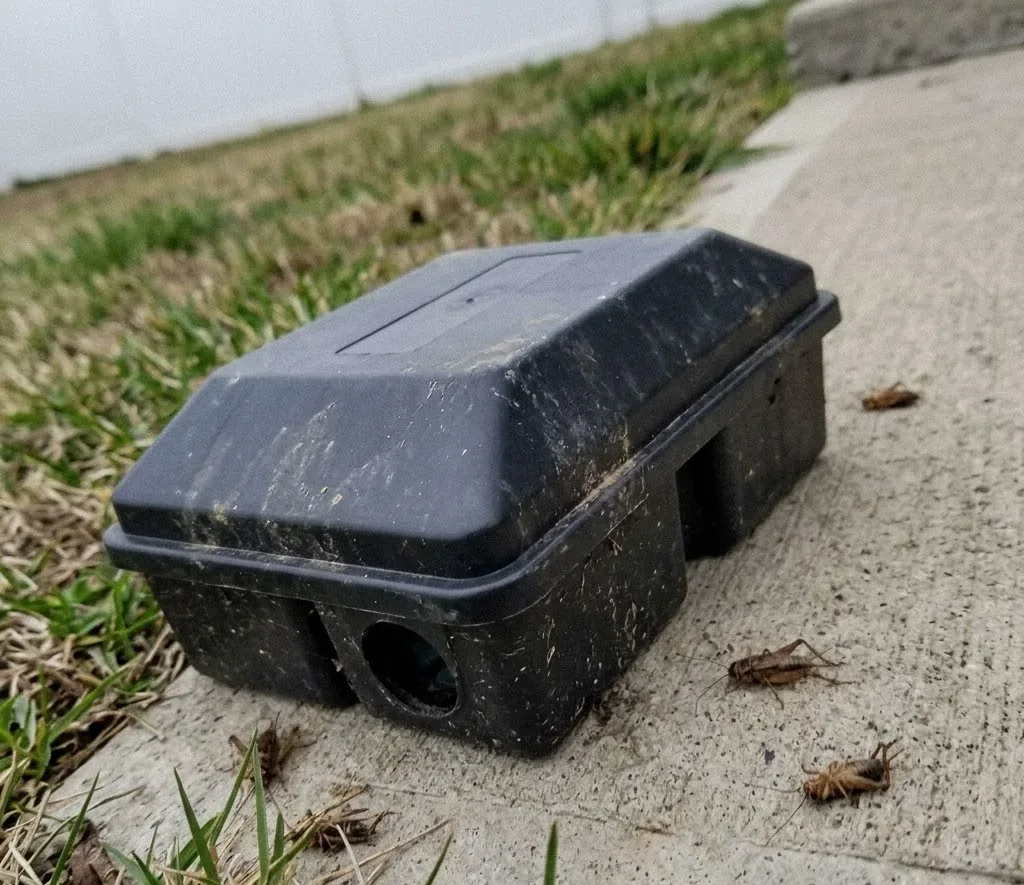
How soil stations are planned, set, and prepared for monitoring
A homeowner in Avondale may notice a station lid beside a walkway after yard work, or find a planned spot blocked by paving. North Avondale and South Avondale include different property layouts; a ZIP code alone says nothing about termite activity. Arizona has subterranean termites, and monsoon season can bring swarming. Those facts do not confirm a problem at your home. An inspection can check for activity and damage before anyone proposes termite bait installation. Ask the pro to explain why a bait system fits the findings and where stations could be reached later.
Installation starts with the inspection record, then a property walk to check soil access, hardscape, irrigation, and likely service paths. Around Avondale, a long paved side yard or planting bed can change the station route and the work involved. The pro should mark proposed points before digging and account for utility locations you identify. Installation time and cost depend on perimeter access, ground conditions, and the final layout. If a station cannot sit where planned, the pro should explain the adjustment and any uncovered area before work begins.
Clear access to the fixture can help the licensed pros we connect you with inspect its connections and identify what needs attention.
If you own a home, residential termite control explains the residential path; landlords and business owners can use commercial termite control to address termite concerns across their properties.
A station plan needs reachable points around the structure, not a lid in every stretch of ground. The pro can trace the accessible foundation edge and note walls, patios, gates, and narrow side yards. In Avondale, a home near Rose Park may have a different route from one near Clubhouse Square; the address alone does not settle placement. Ask which perimeter sections each station serves and how the installed lids will stay accessible for service. A clear map makes later follow-up easier to understand.
Soil stations need suitable ground and a workable route for termites moving between soil and a structure. The inspection helps decide whether a bait system addresses the activity found; placement cannot establish activity by itself. At a small commercial property near Aleppo Park, paved service areas or frequent foot traffic may limit access just as they can at a house. The pro should identify any gap in coverage and explain how site conditions affect the proposed arrangement before installation starts.
After the locations are agreed, the installer prepares each ground opening and sets the station housing. Bait components go in as the selected product directs. The lid should sit so it can be found and reached without routine yard work disturbing it. Before digging, point out irrigation lines, lighting wires, edging, or equipment routes you know about. If a marked spot conflicts with one of these, pause for a revised location. Photographing the agreed layout can help you recognize each station afterward.
The pro reviews inspection findings and checks accessible structure edges for soil entry points, visible damage, and obstacles to station placement.
The pro marks possible locations, checks your known utility and irrigation paths, and explains any gaps where paving or access blocks a station.
After you review the route, the installer prepares each spot, seats the housings, and fits the specified bait components per label directions.
You review the installed layout and written scope, including monitoring terms, access needs, and locations that could not be served.
An in-ground station works only if termites can encounter it and a pro can return to service it. Paving, narrow access, irrigation, or landscaping can leave portions of an Avondale property difficult to reach. A rushed layout may put a lid where it gets covered or disturbed. A planned route lets you see which areas the bait system addresses and which need another approach. Ask for the map and monitoring terms before installation, then keep lids clear during ordinary yard work.
Arizona regulates structural pest management businesses and applicators. The treatment plan should identify the target pest and the method proposed for control. Ask the provider whether the proposed work creates a report and what document you will receive. A report describes observed evidence and inspection limits; it does not certify that every part of a building is termite-free. For bait installation, have the written scope identify the planned station areas and any portions the pro could not inspect or reach.
The product label governs how termite products are handled and installed. Your written agreement should spell out the work, station locations, access needs, and proposed follow-up. Read the terms for monitoring and any conditions for additional treatment, since coverage depends on the provider’s agreement. The pros we connect you with can explain how a blocked or damaged lid should be reported. Keep that guidance with the station layout so you know whom to contact if a lid goes missing or yard work changes access.
Near Agua Fria River, ask whether a termite bait system installation inspection costs extra; treatment reach and site layout can shift estimates, so request listed coverage areas.
| Treatment Plan | Access Points | Cost Drivers |
|---|---|---|
| Condition Scan | Evaluation with a chosen treatment approach for the concern found | an estimated $1,100–$2,800 |
| Area Application | Written findings paired with treatment at locations named in the quote | an estimated $1,265–$3,640 |
| Ongoing Station Care | Avondale inspection summary and treatment for the area identified in writing | an estimated $1,100–$2,800 |
| Structural Fixes | Avondale findings with one treatment approach described in the quote | an estimated $2,640–$11,200 |
The first plan may cover core treatment alone. Added monitoring or later checks can widen the work. Upgrades to components designed to last longer may change the total as well. Use the pricing guide to see how these choices shape a complete estimate.
The pro reviews the inspection findings, then walks the accessible edges of your property. They identify soil locations for stations and note paving, planting, irrigation, and narrow passages. In Avondale, the layout depends on your actual lot, not its neighborhood or ZIP code. Ask to see the proposed points and any perimeter areas that cannot be reached before installation is scheduled.
The installer prepares the agreed ground locations, seats the station housings, and fits the specified bait components as the product label directs. The number and spacing depend on the system and the accessible perimeter. Ask the pro to mark the finished positions on a simple layout so you can keep lids clear and recognize them during later service.
Before work, show the pro known irrigation lines, landscape lighting, edging, and places where you store or move equipment. These can make a planned location unsuitable. Walk the route together and flag changes before digging. If a spot must move, ask how that alters access or the areas covered by the proposed station layout.
The time and cost vary with the perimeter length, ground conditions, and obstacles such as hardscape or dense planting. A layout with limited soil access may need more planning than open ground. Ask for a written scope that separates installation from proposed monitoring and describes any extra work if a location proves unusable.
Yes. A paved path, patio, steps, utilities, or a crowded planting bed can block a planned station point. The pro should show how the layout changes and identify any section that remains difficult to cover. Do not assume every foundation edge can take an in-ground station; the accessible site determines the plan.
Ask how often the agreement calls for station checks, what the pro will assess, and how findings will be shared. Bait systems rely on monitoring, but the schedule and any follow-up treatment terms vary by provider. Keep a copy of the station map and written scope, and report lids that become damaged or inaccessible.
The $1,100–$2,800 for this work estimate for termite bait system installation may shift if findings call for broader access or added work. Request an itemized scope before authorizing treatment.
A wing pile or damaged trim starts the question; an inspection checks what may need attention.
Learn how weakened wood, wall finish changes, and floor or trim movement can signal termite damage in Avondale, and what to record before an inspection.
Read article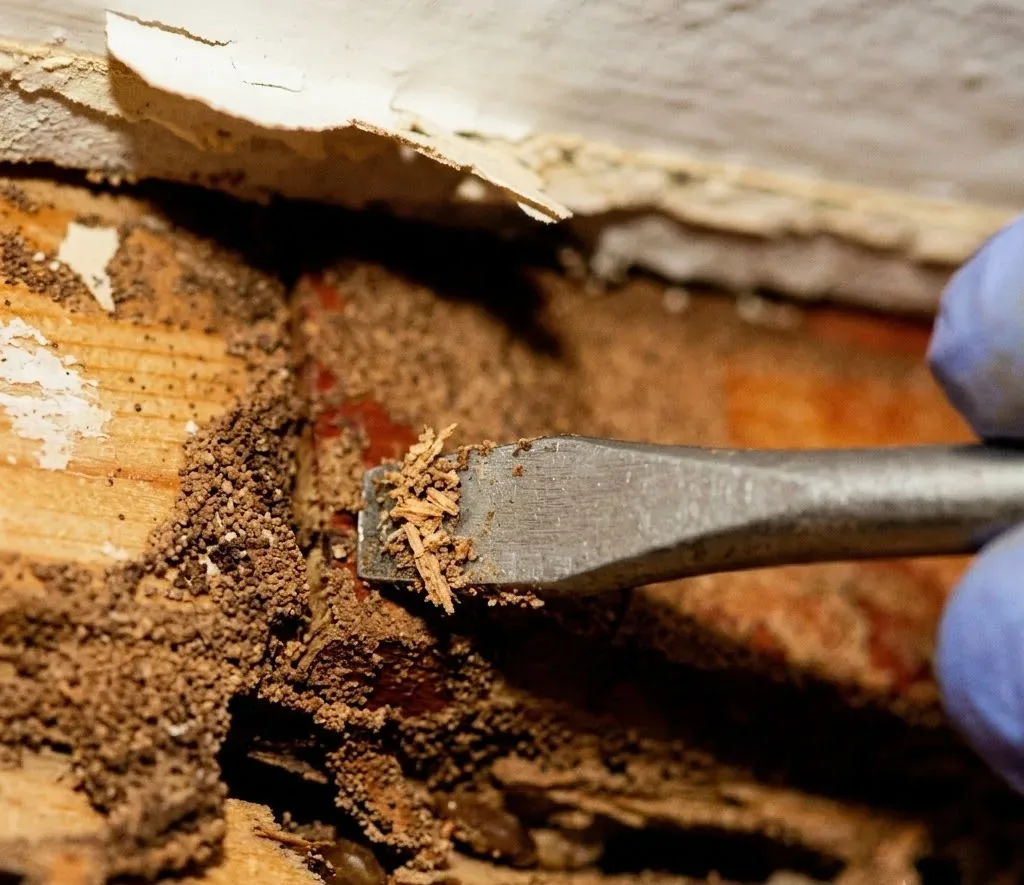
Learn how pellet shape, pile location, and a labeled sample can help identify suspected termite droppings in Avondale, Arizona.
Read article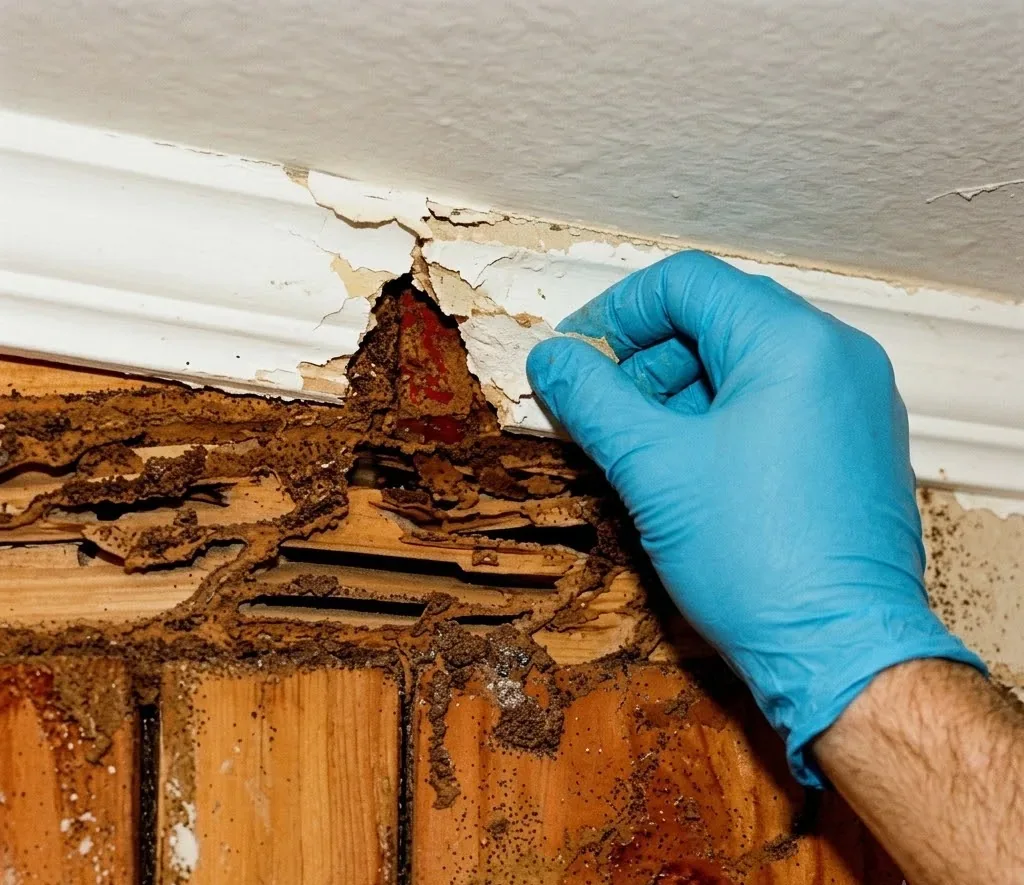
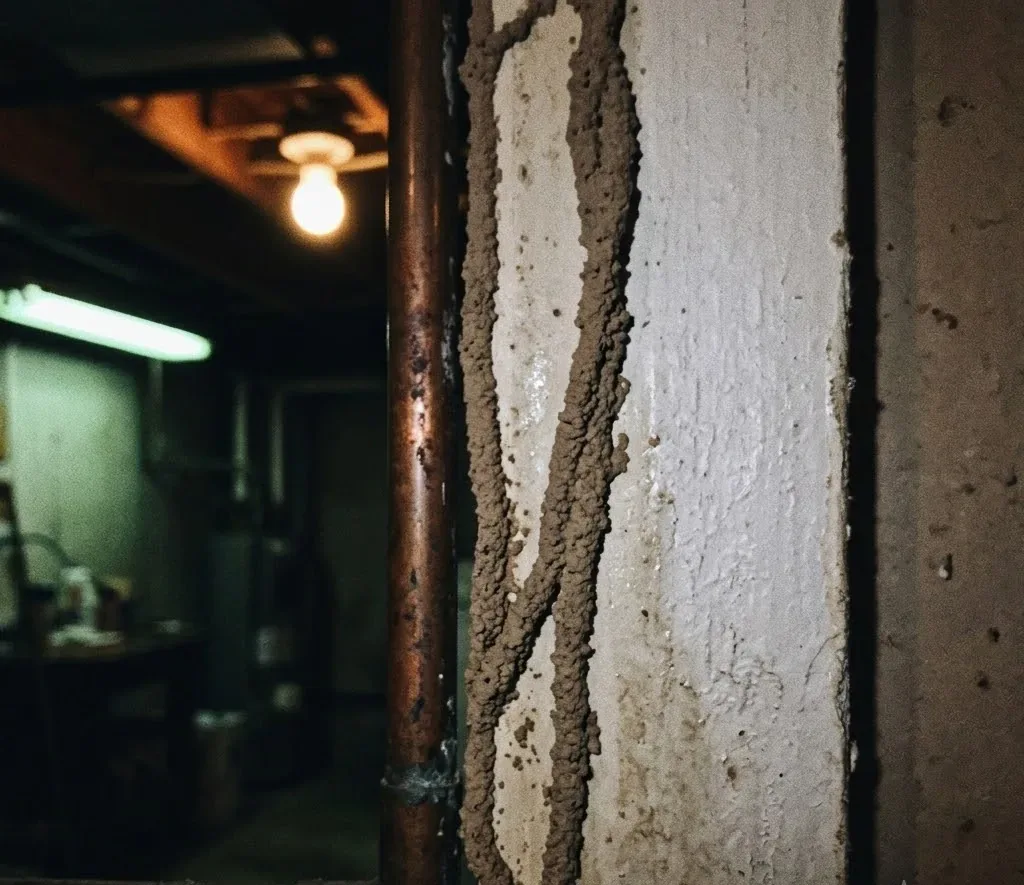
A foundation tube can suggest subterranean termite travel, but it cannot confirm current activity. Learn why to leave it intact, what to record, and how inspection helps.
Read articleTermite activity can remain hidden inside walls even when a room looks undamaged. If you are arranging termite service in Avondale, describe the structure and the areas you want examined. Ask the pros we connect you with how an inspection report records visible evidence and limits. Arizona requires pest control businesses and applicators to be licensed, so you can check business and applicator registration. Clarify what the report can establish, what needs further evaluation, and how any proposed work will be recorded before scheduling treatment.
Call (623) 281-0768