Wood That Loses Its Firmness
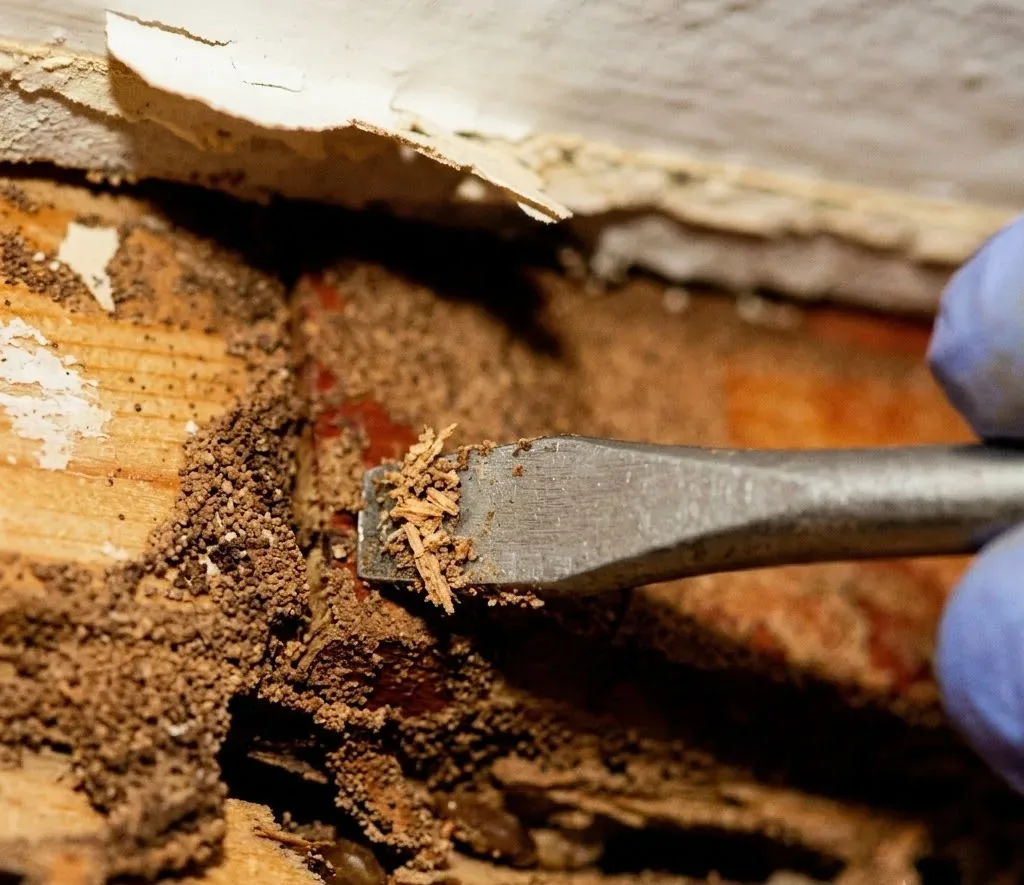
A handrail that suddenly flexes can make you look twice at the wood beneath its finish. In Avondale, a hollow note from a door frame or cabinet can raise the same question. Termite damage signs in wood may include lost firmness or visible deterioration. The change can be easy to miss when paint or a coating still looks smooth. Check the whole exposed piece from a safe distance, then note where the sound or movement changes. These clues can help describe the concern, but they cannot confirm its cause.
A board can keep its outline even after termites have weakened material inside it. You might notice a fastener that no longer holds firmly, or a piece that flexes where it once felt rigid. That change matters because wood supports connected parts, such as a rail, jamb, or shelf. In a home or small business near the Arizona Canal, record which piece moved and how it felt during ordinary use. Avoid testing it with tools. A careful note preserves the clue without changing the surface.
Wall Finish Changes
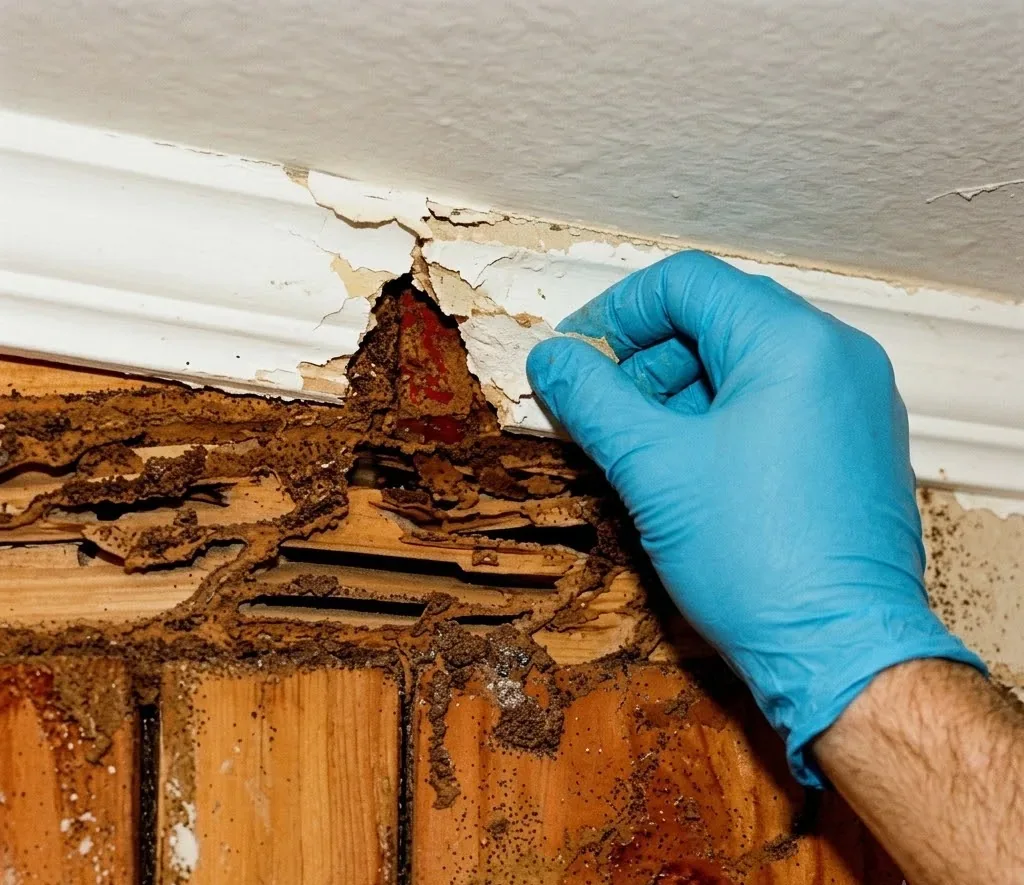
A new raised patch or blister in paint can point to a change behind the finish. Termite damage in walls may affect concealed wood while the room-facing surface shows only a small disturbance. In Avondale, note the patch's edges and whether it sits beside a trim joint or opening. A similar mark can have another cause, so describe what you see instead of naming a diagnosis. A dated photo from the same angle can help you track whether the outline changes before an inspection.
Look at the line where a wall meets its trim. A gap, ripple, or fresh split along that seam can reveal that adjoining materials no longer meet as they did. The change may be more visible from the side than straight on. At a storefront near State Farm Stadium, or in a house, keep the note specific to the exact edge and room. Do not pull the trim away to see behind it. An undisturbed surface gives the provider a clearer starting point.
Floor and Trim Movement
A floorboard that shifts under normal steps can signal a change below the walking surface. Notice whether the movement stays in one spot or follows a seam, and whether the floor feels different from the nearby area. In Avondale, a home close to Friendship Park and a small commercial space can each have flooring that hides its supporting wood. A single soft or uneven section is useful to report, even when the finish appears sound. Mark its location in your notes without lifting the floor covering.
Trim offers a separate clue from the floor itself. A casing or baseboard may show a new dent, split finish, or loosened edge where it meets another piece. Note which side of a doorway has changed and whether the mark continues along the adjoining trim. At a house or shop near White Tank Mountain Regional Park, these details can help distinguish one affected section from ordinary wear elsewhere. Photograph the full doorway first, then take a closer image of the visible change without pressing or scraping it.
Limits of What You Can See
A room view has limits: wall coverings and floor finishes hide the wood behind them. Even a clear surface mark cannot show whether termites caused it, or how much concealed material may be affected. In Avondale, describe the visible clue and leave its cause open until a provider assesses it. An inspection can compare reported symptoms with what is accessible and document its findings and limits. A normal-looking finish also cannot prove that hidden wood is unchanged. The useful distinction is between what you saw and what remains out of view.
Before arranging an inspection, make a simple record of the location, the change, and when you first noticed it. Add photos that show both the whole feature and the detail. If you live near Avondale Civic Center Library or manage a small business elsewhere in Avondale, keep each note tied to its own room or fixture. Do not cover the mark or replace the piece first. Share the record with the pros we connect you with so they can assess the visible clue in context.
Dealing with termite signs at your home?
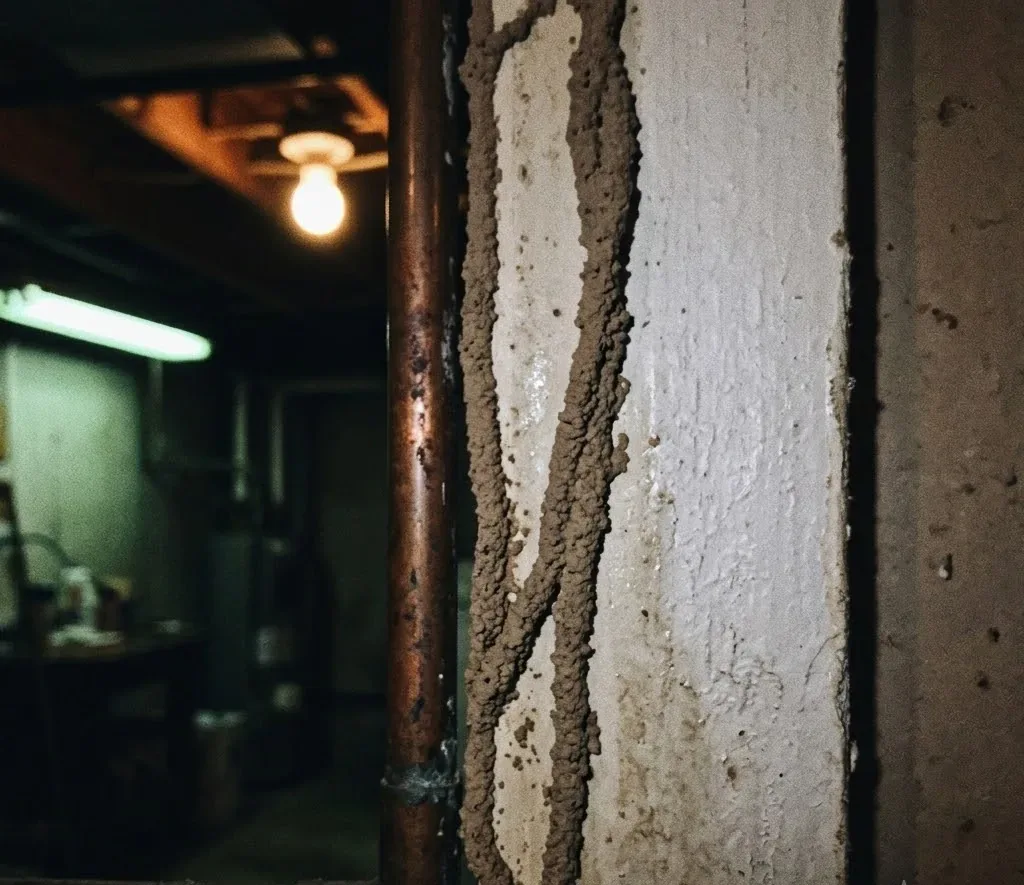
After a monsoon evening, you may spot soil ridges at the foundation or wings beside a window. Take a clear photo of each clue before cleaning the area or moving anything nearby. In Avondale, tell the pros we connect you with where you saw the change. Ask what preparation would be needed before any treatment begins. Ask which areas they can inspect, what access they need, and whether treatment fits the findings. Before booking, confirm coverage, appointment availability, visit fees, and written follow-up terms.