Compare Body Shape and Antennae
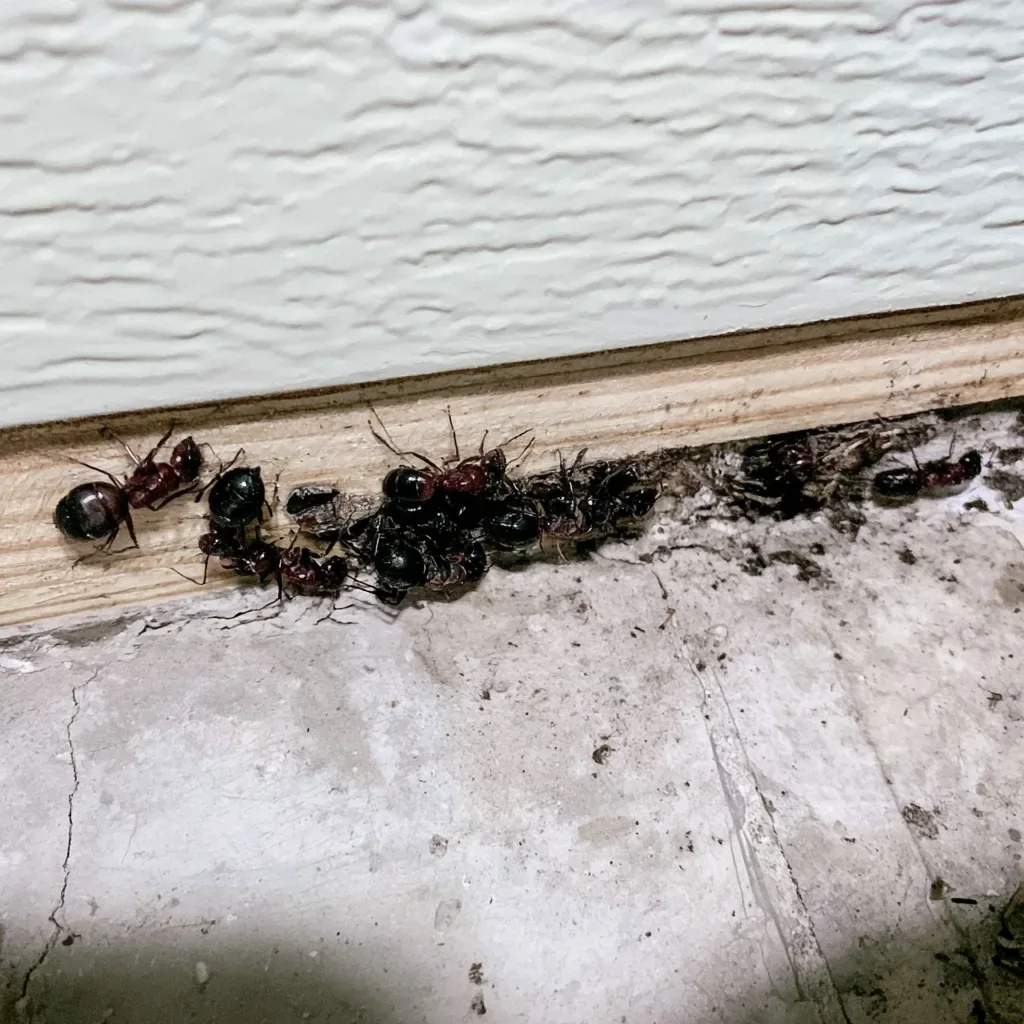
One morning in Avondale, you spot an insect by a window and wonder what damaged wood might mean. Termites and carpenter ants both use wood, but their bodies offer a useful first check. A termite has a broad, fairly even outline. A carpenter ant has a pinched waist between its middle and rear sections. Look at the antennae, too: ant antennae bend, while termite antennae appear straighter. These details work best on an intact insect, viewed closely in a clear photo.
A home near Tierra Verde Lake Park, a shop near Wigwam Resort, or a property near Staggs Park still needs the same kind of evidence. Those landmarks cannot tell you which insect is present. Check the body outline and antennae instead. Dust, motion blur, or a damaged insect can hide those features. If you can, photograph it from above and from the side. A clear view makes the narrow waist and antenna shape easier to compare.
Check the Wing Pairs
If the insect has wings, compare the pairs instead of relying on color. Termites have four wings that are close to the same length. Carpenter ants have larger front wings and shorter rear wings. This difference can help when a home has no intact wingless insect to examine. Keep the insect or shed wings beside a coin or another familiar object in the photo. That gives the viewer a sense of scale without requiring you to handle it.
In Avondale, summer monsoon weather can coincide with termite flights, but the season alone cannot identify an insect. A small commercial property may see winged insects outside after a storm. The useful clues remain the body and wing proportions. Check whether the front and rear wings match in length, then compare the waist and antennae. Several clues pointing the same way make a photo more useful. One clue by itself can leave the identification uncertain.
What Wood Evidence Can Show
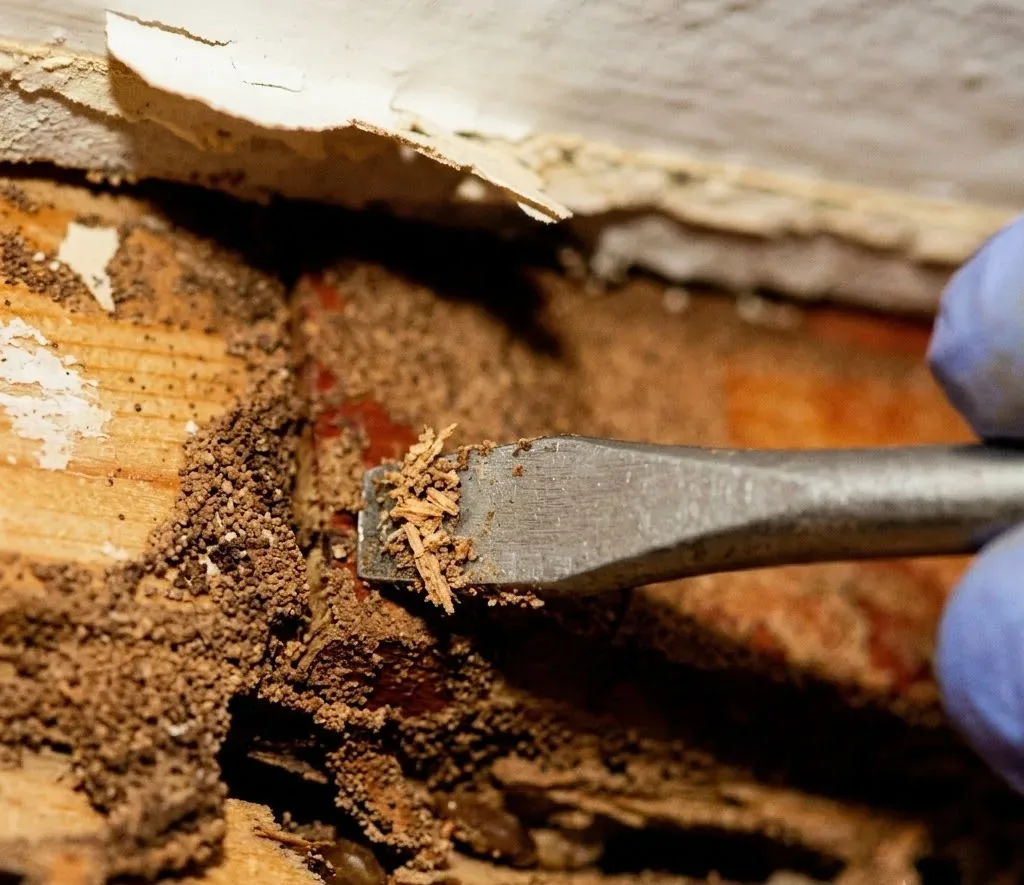
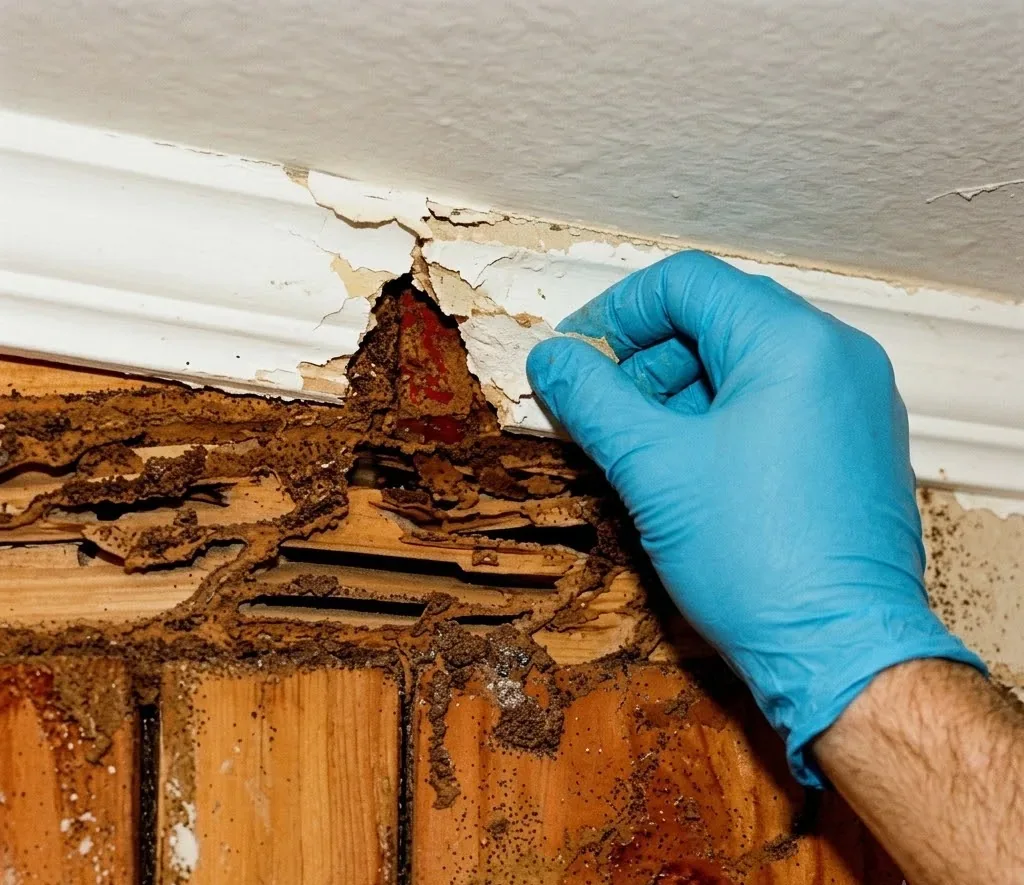
Wood signs are one clue alongside wing and body shape. Termites consume wood and other materials containing cellulose. Carpenter ants carve passageways in wood but do not eat it. Their different feeding habits can leave different evidence for an inspector to assess. Look at exposed wood only from a safe distance. Do not pry into walls or pull apart trim to search. Hidden areas can hold damage that a surface view does not reveal.
At an Avondale shop, a sound-looking painted surface does not prove the wood behind it is intact. Termite damage can extend inside a wall or another concealed space. A carpenter ant gallery may also sit out of view. The visible edge of a board cannot show how far any damage reaches. If wood appears weakened or altered, note its location and avoid planning repairs from appearance alone. An inspection can help determine what needs closer evaluation.
When Should You Arrange an Inspection?
If the insect is crushed, blurry, or missing its wings, identification may remain uncertain. For an Avondale home, a termite inspection can compare the insect evidence with accessible wood and other visible signs. The written report describes what the inspector could see and notes limits to the inspection. It cannot guarantee that hidden insects are absent. That distinction matters when you are deciding whether a suspected insect and a change in wood are connected.
For a small commercial property, save a clear photo or intact specimen and record where you found it. If the wood also looks damaged, arrange an inspection with the pros we connect you with. Leave suspected activity in place until they can assess it. An inspector can explain whether the evidence points to termites, carpenter ants, or an unresolved question. Ask which areas were accessible and what the written findings do not establish.
Dealing with termite signs at your home?
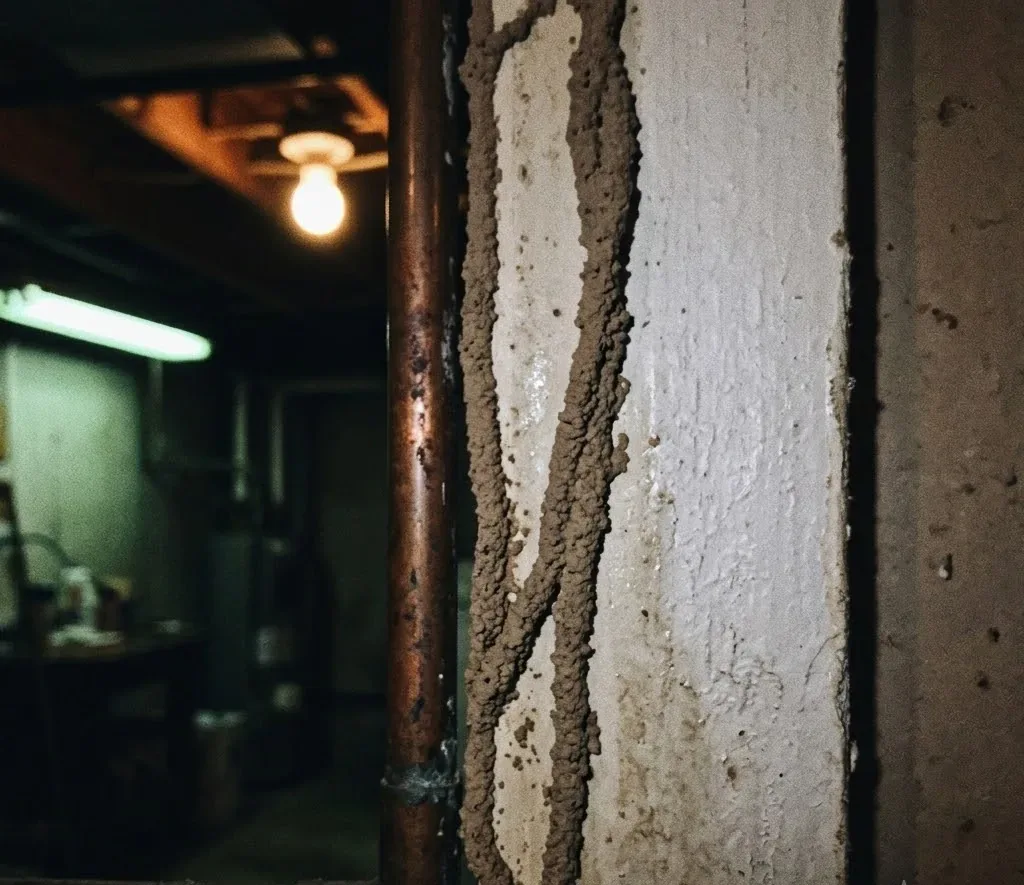
After a monsoon evening, you may spot soil ridges at the foundation or wings beside a window. Take a clear photo of each clue before cleaning the area or moving anything nearby. In Avondale, tell the pros we connect you with where you saw the change. Ask what preparation would be needed before any treatment begins. Ask which areas they can inspect, what access they need, and whether treatment fits the findings. Before booking, confirm coverage, appointment availability, visit fees, and written follow-up terms.