Pellets and Dust as Clues
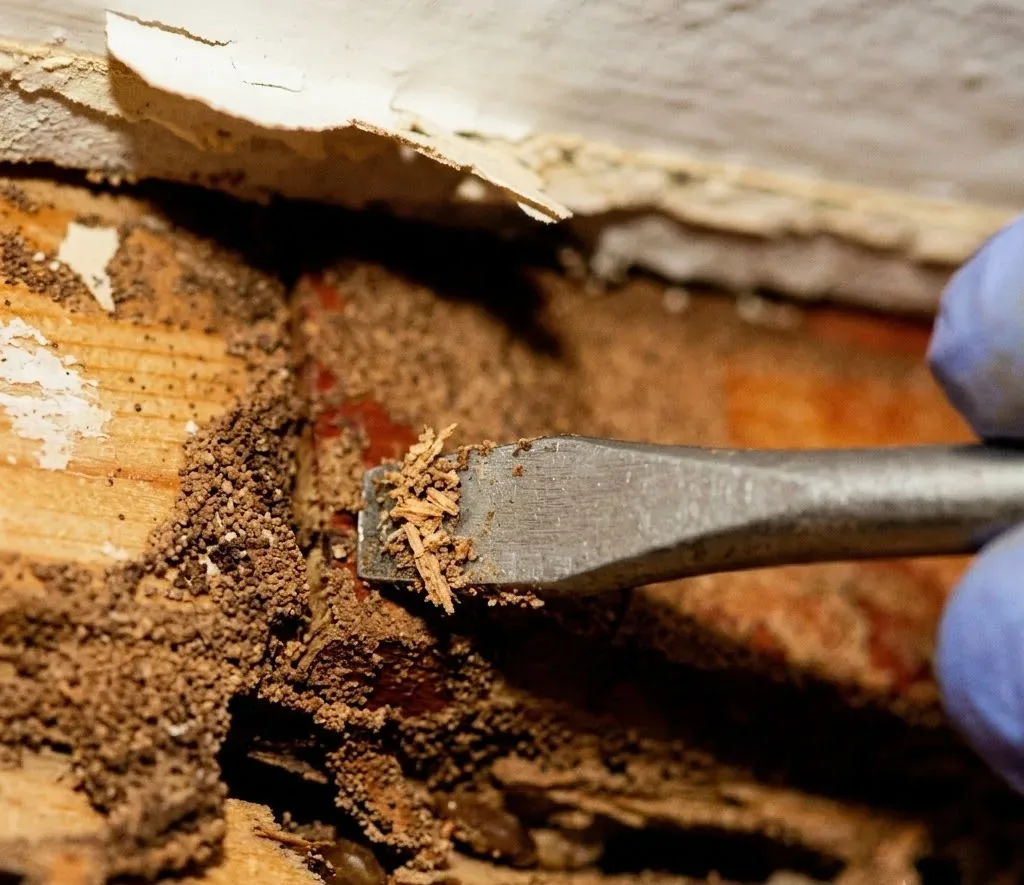
On Monday, you found a small pile beneath a wooden edge in your Avondale home. Termite droppings, also called drywood termite frass, are waste pellets left by termites feeding inside wood. Drywood pellets tend to look alike in size and shape. A dusty patch alone gives you less to go on. Color can shift with the wood, so appearance by itself cannot settle the question. Start by comparing the particles: do you see separate, similar grains, or loose powder mixed with other debris? Keep that distinction in mind as you record the spot.
A close look can help you describe the material without naming its source. In Avondale, note whether the particles form a tight mound, a scattered fan, or a thin coating. Uniform pellets support a different description than fuzzy fibers or mixed scraps. Fine dust may come from ordinary wear or work on wood. Avoid rubbing particles between your fingers; that changes what someone else can examine. A phone camera can capture details you may not see unaided. Shape and consistency offer clues, while an identification requires someone to assess the material and its setting together.
Record the Pile's Location
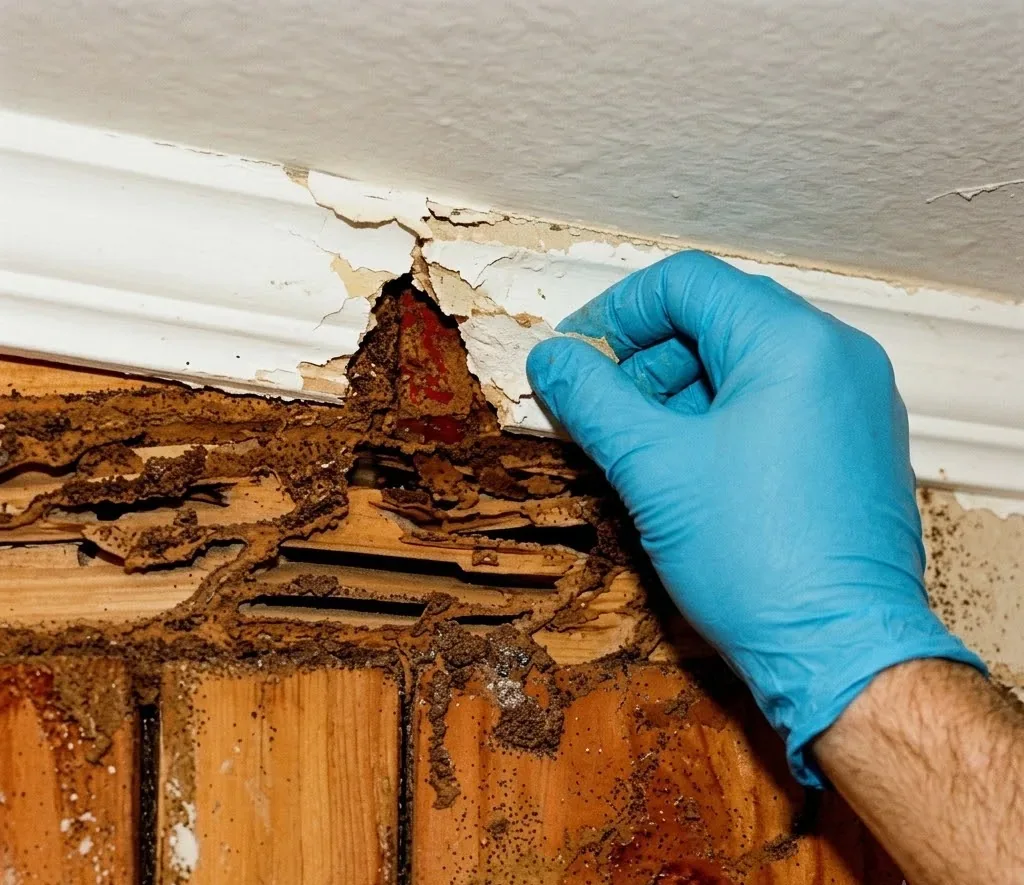
Where the pile sits adds useful context. Check the surface just below its apparent source, then note nearby trim, a frame, or another wooden edge. In Avondale, record the room and a fixed reference, such as the wall beside a window. A property near Tierra Verde Lake might use that landmark in its location notes, too. The exact position helps the pros we connect you with trace the observation. Do not assume a pile beneath wood came from insects; dust can fall or collect there for other reasons.
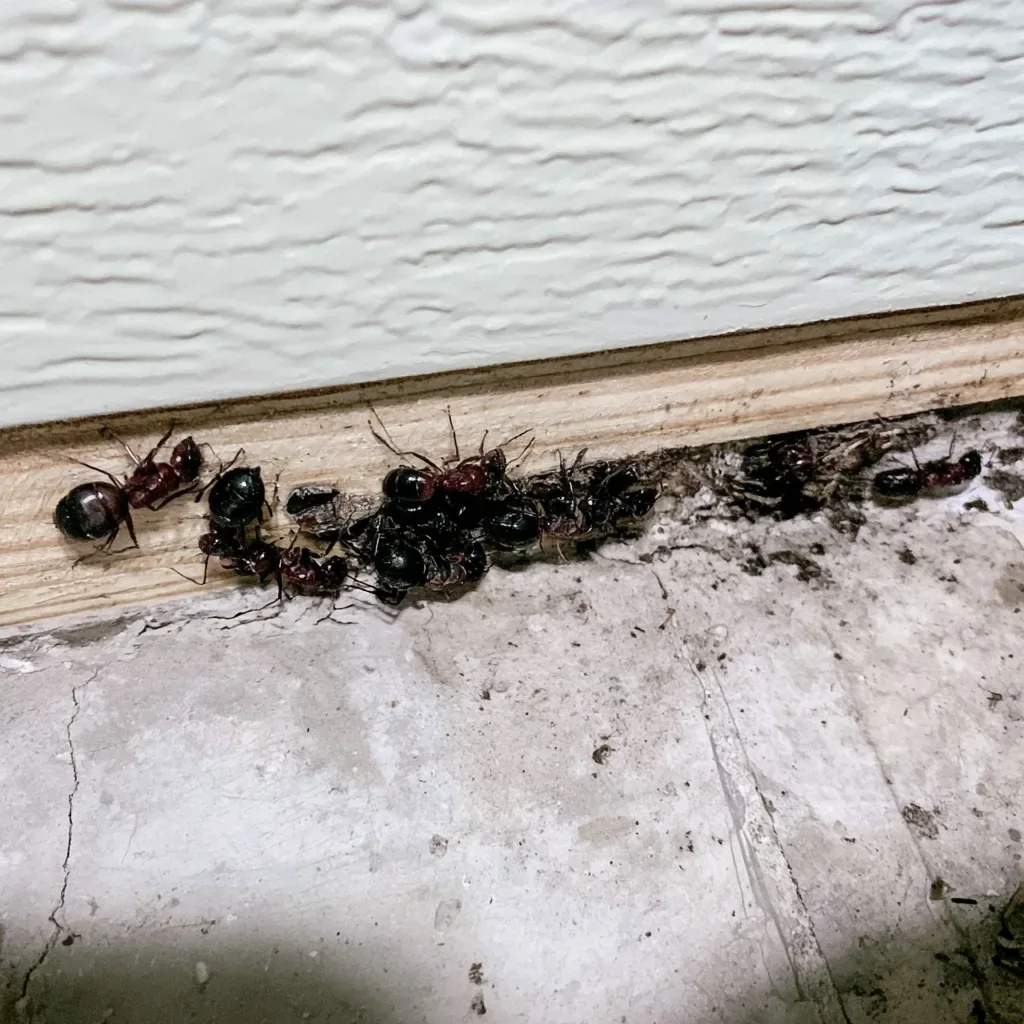
The material may include more than pellets. Soil-colored grains or fragments mixed with debris are worth describing separately from clean, similar-looking pellets. Carpenter ant frass can contain wood fragments, so a mixed pile does not identify termite droppings on sight. In Avondale, note whether the material appeared on a sill, floor, or shelf, and whether it was dry or clumped. A house near Staggs Park and a small shop near Rose Park can use the same careful record. Let the sample support identification instead of guessing from the address or room.
Photograph and Preserve a Sample
Before moving anything, take a wide photo that shows the pile in place. Then take a close image of the particles, with a familiar object beside them for scale. In Avondale's bright rooms, angle the phone to reduce glare and keep the grains sharp. Photograph the nearby surface and the edge above it as well. These views preserve how the pile related to its surroundings. If routine cleaning has already removed some, write that down. A clear record helps a reviewer interpret what remains without relying on a memory of the scene.
After photographing, use a clean spoon or folded paper to transfer a small amount into a sealed container. Label it with the date, room, and exact surface where you found it. Keep that sample with your Avondale photos and notes. Leave some material in place if you can, so its pattern remains visible. Do not combine debris from separate spots; each location needs its own record. A sample may help identify the particles, while the photographs show where they gathered. Together, they preserve details that sweeping or vacuuming would erase.
Share Findings and Keep the Report
When you contact the pros we connect you with, share the photos, sample, and location notes. Ask what features support an identification and what remains uncertain. For an Avondale property, you can point out whether the pile was indoors or outside and which surface held it. Ask whether the material was examined directly or judged from photographs. A photograph may show shape, but it cannot reveal every detail of the particles. Clear answers help you understand the basis for the conclusion before deciding what information belongs in your records.
Keep the written findings alongside your sample label and images. The report should state where the material was found, what the reviewer identified, and which areas were examined. In Avondale, ask the pros we connect you with to record any limits on the inspection. An inspection report describes observed evidence and its scope; it cannot promise that no hidden activity exists. If the material remains unidentified, ask what additional view or sample could help. A complete record lets you compare later observations with the original location and identification.
Dealing with termite signs at your home?
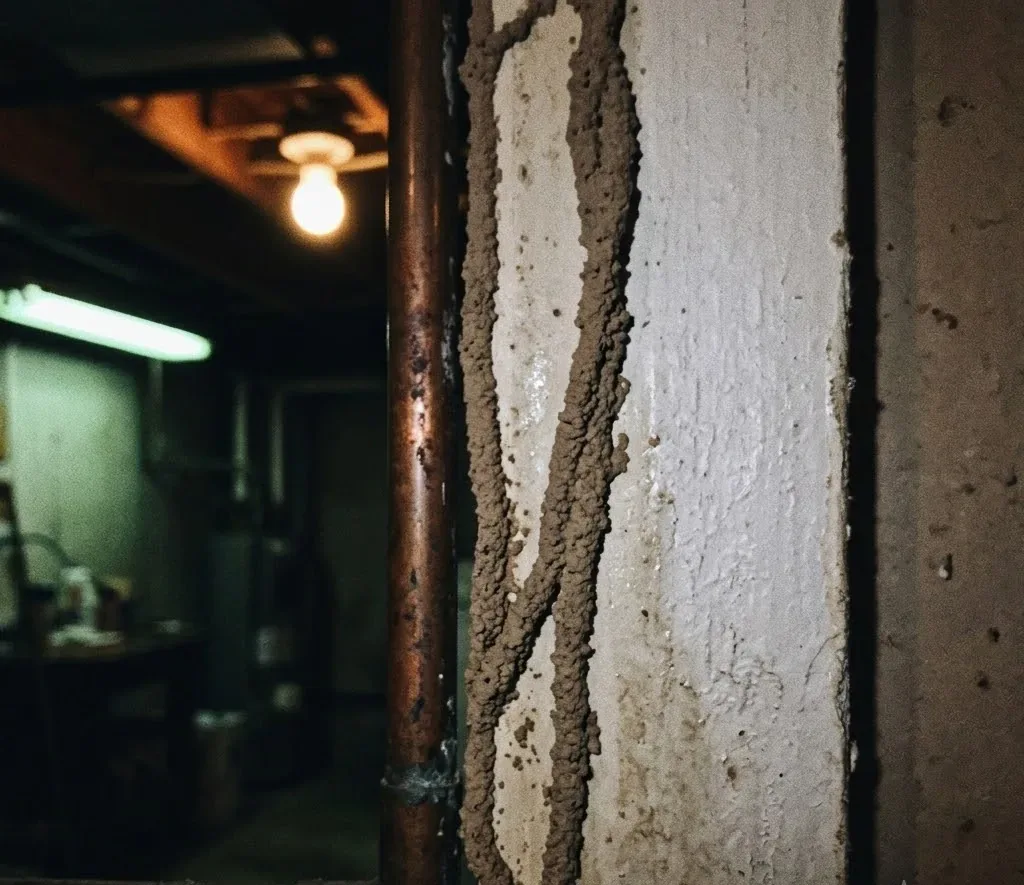
After a monsoon evening, you may spot soil ridges at the foundation or wings beside a window. Take a clear photo of each clue before cleaning the area or moving anything nearby. In Avondale, tell the pros we connect you with where you saw the change. Ask what preparation would be needed before any treatment begins. Ask which areas they can inspect, what access they need, and whether treatment fits the findings. Before booking, confirm coverage, appointment availability, visit fees, and written follow-up terms.