Schools
Campus Termite Planning
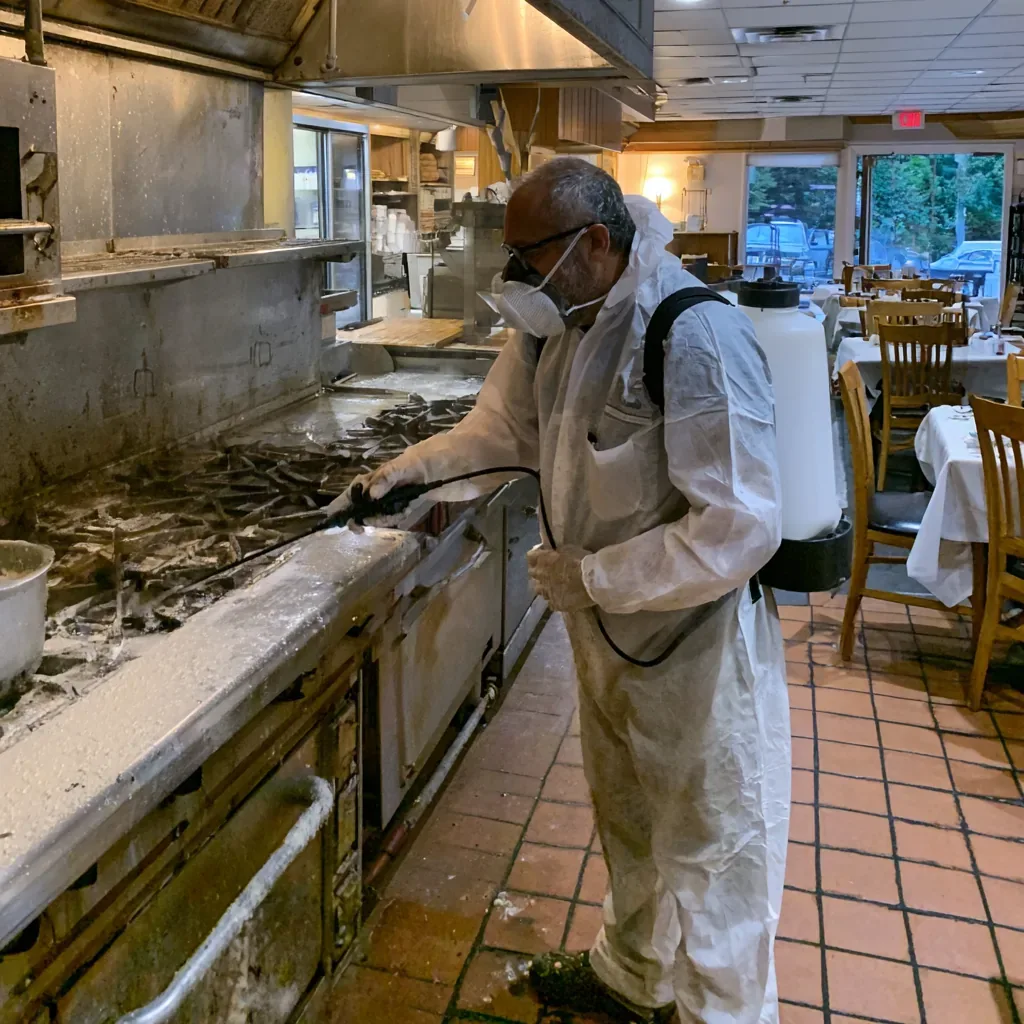
Plan restaurant termite control around kitchen routines, clear records, and workable access in Avondale.
Restaurants can reduce disruption by setting work around kitchen routines, preparing affected food areas as directed, and keeping clear site records. Ask a qualified termite professional to assess the location, explain the proposed scope, and coordinate access and follow-up with your operating needs.
A manager notices a raised mud line near a kitchen wall before lunch service. The first task is to preserve what staff saw and keep service decisions organized. Record the room, surface, time, and any access limits. Share those notes with the pros we connect you with. A clear starting record helps the restaurant compare findings with its daily schedule. It also gives staff a common reference if the affected area changes or needs another visit.
In Avondale, staff can log suspected activity without moving or cleaning the material. Note who found it and which shift was on duty. Add a photo if site policy allows, and mark the location on a simple floor plan. Keep the original note with later updates. That sequence helps separate the first observation from what a professional confirms. It also reduces confusion when kitchen staff, managers, and the provider discuss the same area.
A restaurant record should show how the site works, not just where a mark appeared. Map the kitchen, dry storage, receiving area, dish room, and connected back rooms. Identify food-contact counters and equipment that restrict access. In Avondale, a larger facility near Friendship Park may have different routes and storage patterns than a compact dining room. The map gives the pros we connect you with a practical way to plan access without interrupting unrelated tasks.
Ask for written findings that tie each observation to a room or building feature. A report can note visible activity, damage, and conditions that may need attention. It should also explain which areas were accessible and where inspection was limited. That distinction matters when staff compare later visits. A report describes what the professional could assess at that time; it does not establish that termites are absent from every concealed space.
Keep the report, proposed work scope, and completion notes together in the restaurant’s site file. Arizona requires electronic submission within thirty days for specified termite treatments and Wood-Destroying Insect Inspection Reports. Ask the provider which records apply to the planned service and retain copies for your own follow-up. Clear files help a new manager understand what was found, what work was approved, and which items still need attention.
| Task | Access | Record |
|---|---|---|
| Site key | Restaurant name, address, and locator such as Civic Square | Keep each report with the correct restaurant location |
| Area map | Mark kitchen, dry storage, dining, and staff routes | Show where access or work could affect service |
| Observed sign | Log its location and description; attach a photo if available | Compare later notes with the original finding |
| Food zone | Identify nearby prep surfaces and stored food | Give staff clear handling steps before work |
| Service window | Record prep, meal, and cleanup periods | Choose access time around active food service |
| Entry contact | Name the shift lead and approved entry point | Avoid arrival delays and staff handoff confusion |
| Work record | File the proposed method and covered areas | Keep written scope with the site notes |
| Follow-up records | Record monitoring instructions and access needs | Link each next step to its finding and location |
Share the restaurant’s operating calendar before setting an appointment. Include prep, deliveries, peak service, cleanup, and planned maintenance windows. After-hours termite treatment may fit some sites, but the right timing depends on the proposed work and rooms involved. In Avondale, a manager can compare the provider’s access needs with the actual shift plan. Written timing makes it easier to tell staff which areas may be unavailable and when normal tasks can resume.
Access notes should cover the route from entry to each area under review. Mark locked rooms, equipment that cannot move, and aisles used for receiving. Give staff a contact for opening spaces and recording any delays. A restaurant near Festival Fields may have several work areas spread across its building, so a floor plan can prevent missed rooms. The record also shows whether a visit reached the planned locations or needs another appointment.
The written scope should connect proposed work to findings and name the spaces involved. Ask how the provider will document a change if additional signs appear outside that scope. Keep the first plan beside any revised version, with the reason and date recorded. This creates a useful trail for managers who were not present. It also helps the restaurant distinguish approved work from a suggestion that still needs review before scheduling.
Before work is scheduled, ask which rooms need preparation and what staff must move or cover. Record the instructions by area, then assign a manager to confirm completion. Food, utensils, ingredients, and movable equipment may require different handling under the proposed plan. The provider should explain the steps for the specific work. A written checklist helps the opening shift see what was prepared and what remains restricted without relying on a verbal handoff.
Keep product and work instructions with the service record, then follow the provider’s directions for the planned method. Staff should not improvise by moving monitoring devices or applying another product. In Avondale, a manager can document who received the instructions and when affected rooms were released for use. That log supports consistent communication across shifts. For questions about precautions, use the separate guidance supplied for the specific treatment and product.
A proposal may involve liquid treatment, bait stations, or another method suited to the findings and property. The report should explain why the proposed approach fits the observed issue and which areas it covers. If stations are part of the plan, record their locations so staff can keep them accessible. Near the Agua Fria River, as elsewhere in Avondale, local conditions alone do not establish termite activity; site findings guide the plan.
Follow-up belongs on the site calendar and in the same record as the original visit. Note the date, rooms reached, station status if applicable, and any recommendations still open. Assign one manager to receive updates and pass them to the next shift. If staff notice a new sign, add its location and time rather than editing an earlier entry. A consistent log helps the provider compare visits and discuss whether the plan needs adjustment.
The cost of a termite inspection can depend on building size, layout, access, and the rooms included. Follow-up or monitoring can also affect the proposed scope. Ask for a written estimate that names the areas covered and any return visits included. Compare it with the inspection plan and operating schedule, so you can see what the restaurant is arranging. No Avondale-wide rate or property-specific treatment history is established by the available local information.
A useful file lets a new manager follow the issue from first observation through later visits. Keep the room map, report, approved scope, preparation notes, and follow-up entries together. Restaurants near Gila River or Goodyear Farms Historic Cemetery can use the same recordkeeping approach, while each site’s findings and schedule remain specific to its building. Before approving work, ask what the report documents, which rooms need access, and how the restaurant will track follow-up.
When a manager finds a termite concern, the next shift needs a clear record. In Avondale, keep each location’s notes together, from South Avondale to North Avondale. Record the rooms discussed, access limits, findings, agreed work, and any follow-up still due. This gives the manager and provider a shared reference when schedules change. At a restaurant near Friendship Park or Festival Fields, the landmark can help identify the site in internal records. Keep the report with the service notes so later decisions follow the documented scope.
Termite questions start at the property line: find out which county communities can seek an inspection for a residence or small business and discuss treatment, includingTolleson, Avondale and Goodyear. Check whether an assessment has its own charge; also ask how the provider treats addresses that take extra travel.
A shop’s termite estimate is built around each service visit. Building area and the planned visit schedule shape the scope; access, observed activity, and the selected approach can also change the work. Use $75–$250 as a starting guide, then ask how the written estimate matches your site.Commercial pricing shifts with building size, foundation layout, access, and included areas; these shape treatment materials and monitoring. For an Avondale site, tell the pros we connect you with which spaces need attention, how access works, and whether reports or follow-up belong in the scope. A landmark such as Aleppo Park can help identify the property.Compare every termite service band in pricing guide; commercial overview describes the schedule and structure of commercial programs.
Choose a work window that leaves the kitchen’s busiest tasks undisturbed. Tell the provider when receiving, preparation, cleaning, and service take place. Agree which rooms can be reached and what staff should move or cover before work. If a task could interrupt food service, discuss after-hours termite treatment and the return-to-use instructions with the provider before setting the date.
Keep the provider’s report, agreed work scope, visit notes, and follow-up instructions with the restaurant’s site records. Note the location, date, rooms included, and any access limits. If you manage several restaurants, file each site separately. Give staff a clear way to note new signs of termite activity and share them with the provider.
Ask staff to leave the suspected area undisturbed and tell a manager where they noticed the concern. The manager can note the room and nearby activity, then share those details with the provider. At an Avondale restaurant, clear notes help connect a staff report to the right site record without treating a suspicion as a confirmed infestation.
Use the provider’s written plan to track any return visit or monitoring task. Assign a staff contact to confirm access and pass along changes in room use. If the provider uses bait stations, keep their locations in the site notes and leave them available for scheduled checks. Discuss any missed visit or blocked area directly with the provider.
Ask a qualified termite professional to assess your Avondale restaurant, coordinate access around service, and document the agreed work and follow-up.
Call (623) 281-0768