Restaurants
Food Service Planning
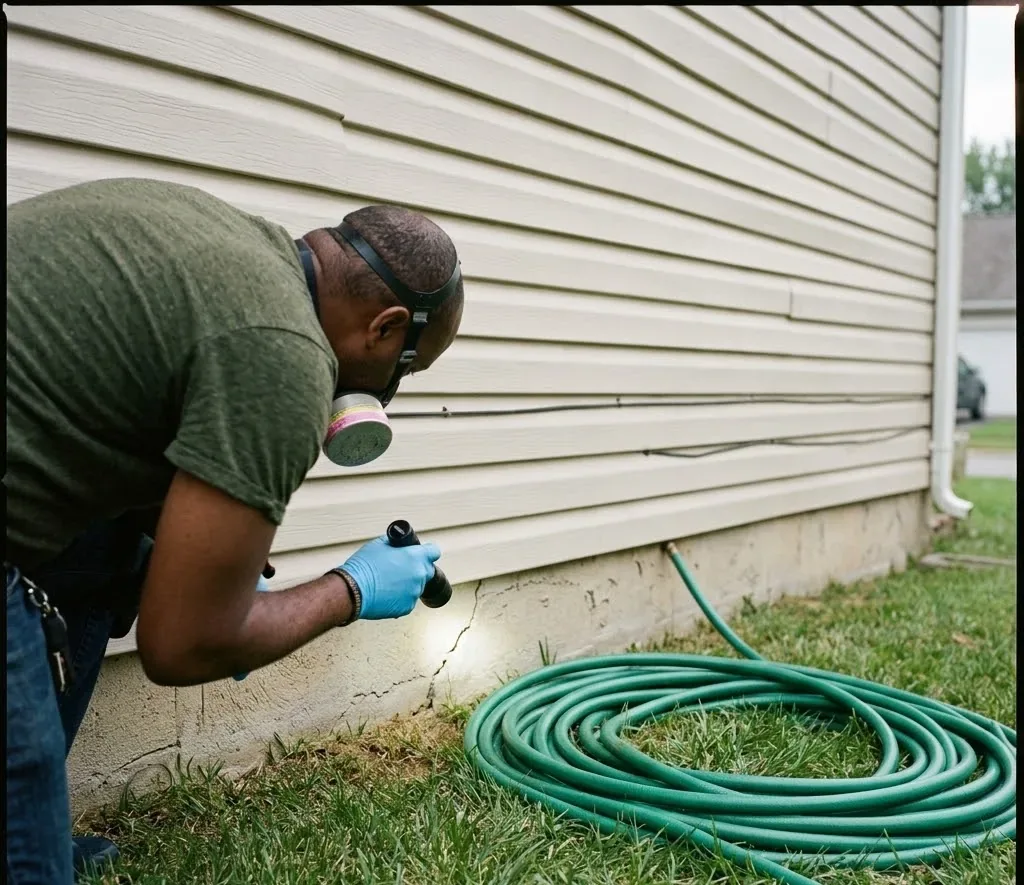
Plan school termite control around campus access, classroom schedules, and building-specific follow-up.
Schools can label each campus building, mark access hours, and note reported signs. An inspection can then cover classrooms and shared spaces. Plan treatment around school use, and keep building-specific notes for follow-up monitoring.
A staff member spots discarded wings near a classroom on Monday morning. That report can affect more than one room when a school shares buildings, storage, and common areas. School termite control starts with a campus plan that gives each building a clear place in the work. In Avondale, facilities staff can gather reported locations and access windows before contacting the pros we connect you with. A coordinated assessment helps the school address concerns while keeping daily operations in view.
Give each campus building a name staff use every day. Add its purpose, main contact, and the best way to arrange entry. A classroom wing may have different access needs from an office, cafeteria, or storage building. In Avondale, South Avondale and North Avondale can help orient a service-area map, but actual school buildings need their own labels. Consistent names help staff route requests, schedule access, and connect later service to the correct location.
Gather reports from teachers, custodians, and facilities staff in one place. Ask each person to note the room or exterior location and when they noticed a concern. Mud tubes, discarded wings, or damaged wood can point to termite activity; an inspection helps assess the situation. Avoid disturbing suspected activity before the visit. In Avondale, a single coordinator can pass these reports to the pros we connect you with and reduce duplicate requests across campus.
A campus map can make scheduling easier when several buildings need attention. Mark each building with a familiar name, then add a contact who can arrange entry. Use nearby landmarks only as orientation aids: Friendship Park, Festival Fields, and Avondale Civic Center Library are recognizable local references. Keep school locations distinct from those markers. For Avondale facilities teams, this simple map can help everyone discuss the same building when coordinating a termite inspection.
An inspection can only address areas the provider can reach. Identify who can unlock classrooms, offices, storage rooms, and shared spaces. Note when rooms are occupied and when access is available. Tell the pros we connect you with about restricted areas before setting the visit. In Avondale, a facilities contact who understands room use can coordinate with school staff and avoid interrupting lessons. That planning gives the inspection a workable route through campus buildings.
| Campus area | Access plan | Next action |
|---|---|---|
| Campus map | School name, wing, and map marker | Helps distinguish separate structures across Avondale |
| Map cues | Optional references: Friendship Park, Festival Fields | Can clarify directions between campus locations |
| Entry lead | Staff role and approved access contact | Routes access questions to the right person |
| Room timing | Class, exam, and after-school availability | Shows when occupied spaces may be available |
| Shared spaces | Cafeteria, gym, offices, or media center | Includes areas used by several school groups |
| Daily constraints | Arrival, dismissal, events, and breaks | Helps fit service around school operations |
| Work sequence | Buildings to address and preferred order | Supports a plan across multiple buildings |
| Follow-up owner | Staff role for future monitoring coordination | Keeps later check-ins assigned to someone |
Classroom access changes with lessons, testing, and activities. Ask staff for open windows when rooms are empty and a contact who can provide entry. Shared rooms may need agreement from several programs before a visit. Put those arrangements on the campus schedule so the provider knows where to begin. For Avondale schools, grouping rooms by access time can reduce hallway disruption and make the termite inspection easier to coordinate across the day.
Different termite habits can affect where an inspection focuses. Subterranean termites live in soil and may reach structures through concealed wood-to-soil contact. Drywood termites can live inside wood without soil contact. These distinctions help a professional consider the building and the reported concern. They do not establish what is happening at a particular school. In Avondale, give the provider access to relevant buildings so the inspection can guide any later campus termite treatment.
School buildings do not all serve the same purpose. A storage area, classroom, and administration building may have different access rules and hours. Keep those details with the building schedule, then group the visit around practical entry windows. This lets staff plan around instruction and routine building use. Across Avondale campuses, a shared schedule can help facilities teams see which locations are ready for inspection and which need another appointment.
Once inspection work identifies a concern, treatment planning should account for the affected building and its daily use. Termite methods depend on the issue and property conditions. A provider may consider liquid treatments, bait systems, or another suitable approach. Ask how the proposed work would affect room access and campus routines. In Avondale, the pros we connect you with can discuss a scope that fits the conditions at each school building.
A campus treatment plan can be staged around breaks, evenings, or other available openings. Ask the provider which spaces need to be unavailable and for how long, based on the proposed work. Coordinate that schedule with school operations before assigning dates. If work spans buildings, a clear sequence helps staff direct people and maintain access elsewhere. For Avondale schools, planning by building can make termite service for schools easier to fit into the calendar.
The treatment method affects how staff support follow-up. Bait systems use stations that require periodic monitoring, so assign a campus contact to keep them accessible and arrange service visits. Do not move or disturb stations without checking with the provider. Other methods may have different follow-up needs. For an Avondale campus, recording responsibility by building helps prevent a station or scheduled visit from being overlooked during staff changes.
Keep a practical service record for each building. Track the date of the visit, who arranged access, any work scheduled, and the next action assigned. Use the same building names across calendars and internal requests. This record helps a facilities team manage ongoing work without turning the process into a paperwork exercise. In Avondale, a consistent campus log can help staff see which locations need a new appointment or monitoring visit.
Set a regular point for facilities staff to review open termite service tasks. Check whether access was provided, planned work took place, and any monitoring visit has an owner. Route new reports to the campus contact instead of leaving them in separate room-level messages. This keeps follow-up tied to the building and its schedule. For Avondale schools, a brief review can keep activity moving between staff, administrators, and the service provider.
Before discussing an assessment, draw the campus buildings, mark useful access windows, and place each reported sign on the map. Add a contact for every location and identify rooms with special scheduling needs. This gives the pros we connect you with a clear starting point for coordinating an inspection. Across Avondale, schools can use that preparation to discuss coverage of classrooms and other campus buildings, then plan next steps around school operations.
A termite concern in one classroom can affect how the school plans access across campus. School termite control works best when staff can see which buildings need attention and when rooms are available. In Avondale, campuses may include classrooms, offices, cafeterias, and separate activity buildings. Give each structure a clear name and mark shared spaces used by students or staff. Then the pros we connect you with can discuss a campus termite treatment plan around instruction, events, and building use. This keeps scheduling decisions tied to each site's needs.
Your address shapes who can handle a termite inspection request; ask about county reach for homes and small businesses, and whether treatment discussions are available there, includingGoodyear, Litchfield Park mailing area and Tolleson. Check whether an assessment has its own charge; also ask how the provider treats addresses that take extra travel.
A shop’s termite estimate is built around each service visit. Building area and the planned visit schedule shape the scope; access, observed activity, and the selected approach can also change the work. Use $75–$250 as a starting guide, then ask how the written estimate matches your site.Commercial pricing shifts with building size, foundation layout, access, and included areas; these shape treatment materials and monitoring. For an Avondale site, tell the pros we connect you with which spaces need attention, how access works, and whether reports or follow-up belong in the scope. A landmark such as Aleppo Park can help identify the property.Compare every termite service band in pricing guide; commercial overview describes the schedule and structure of commercial programs.
Start with a campus diagram and give every building a consistent name. Mark classroom blocks, offices, cafeterias, and shared facilities. Add the hours when staff can provide entry, plus dates when buildings are busy or closed. Note where someone noticed a possible sign without touching it. This lets the pros we connect you with plan visits by area and avoid treating separate buildings as one job.
Classes may continue in areas outside the planned work, depending on the method and product directions. Ask which rooms need to be empty, when people may return, and whether nearby shared spaces are affected. In Avondale, compare those limits with class periods, meal service, and scheduled events. The school can then choose a work window that reduces interruptions while following the provider's instructions.
Gather a campus diagram, building names, room access hours, and staff contacts. Add dates and locations for concerns reported by teachers or maintenance staff. Include the school calendar so planning can avoid testing days, events, or meal periods. If the campus spans South and North Avondale, label each site clearly. These details help shape a practical discussion about termite service for schools.
Keep monitoring visits on a campus calendar, with the building and station location attached to each entry. Tell staff not to move stations or block access. A named facilities contact can confirm entry and pass along any change noticed between visits. Near Festival Fields or elsewhere in Avondale, use the same process for each school site so follow-up stays easy to route.
Map Avondale campus buildings, access windows, and reported signs before discussing an assessment with the pros we connect you with.
Call (623) 281-0768